
10 Common Office Cleaning Mistakes Businesses Make

Keeping an office clean sounds straightforward. Empty the bins, vacuum the carpets, wipe down the kitchen and make sure the washrooms are presentable. Yet even workplaces that appear tidy can have cleaning problems that gradually affect hygiene, staff comfort and the condition of the building.
Sometimes the issue is a cleaning routine that hasn't kept up with a growing workforce. In other cases, certain areas are repeatedly overlooked, the wrong products are being used or nobody checks whether the work has been completed properly.

These mistakes are easy to make, particularly when cleaning is treated as a task to fit around everything else.
Whether you manage a small office or a large commercial premises, understanding the most common cleaning mistakes can help you maintain a healthier, more professional working environment.
Here are ten problems worth looking out for and what you can do to avoid them.
1. Cleaning Only When Something Looks Dirty
One of the most common mistakes is relying on appearance alone to decide when an area needs cleaning.
A desk may look clean, but frequently touched surfaces can still collect dirt and germs. Kitchens, washrooms and shared equipment also need regular attention, even when there is no obvious mess.
Waiting until dirt becomes visible can mean that routine maintenance is being neglected.
How to avoid it: Establish a cleaning schedule based on how each area is used. Reception desks, shared kitchens, washrooms and high-touch surfaces should receive consistent attention rather than being cleaned only when someone complains.
2. Overlooking High-Touch Surfaces
Door handles, light switches, lift buttons, taps and shared meeting room equipment are touched throughout the day. These areas are easy to overlook because they occupy very little space and rarely appear particularly dirty.
However, they deserve a place in the cleaning plan.
How to avoid it: Include high-touch surfaces in routine cleaning procedures. Use suitable cleaning or disinfecting products according to the surface, the manufacturer's instructions and the required contact time. Cleaning and disinfection are not interchangeable, so choose the appropriate process for the setting.
3. Using the Same Cloth Everywhere
Using one cloth to clean several different areas can transfer dirt and microorganisms rather than removing them effectively.
This is especially concerning when cleaning equipment moves between washrooms, kitchens and general office spaces.
Colour-coded cleaning systems help staff distinguish equipment allocated to different areas and reduce the risk of cross-contamination.
How to avoid it: Introduce a clearly explained colour-coding system, train staff to follow it and wash or replace reusable cloths appropriately. The system should be consistent across the premises and supported by suitable cleaning procedures.
4. Using Too Much Cleaning Product
It may seem logical that more cleaning solution will produce better results. In reality, using too much product can leave sticky residues, streaks or a film that attracts further dirt.
Incorrect dilution can also waste money and may create avoidable safety risks.
How to avoid it: Follow the manufacturer's instructions for dilution and application. Where concentrated products are used, provide suitable dispensing equipment and clear training. Never mix cleaning chemicals unless the manufacturer explicitly permits it.
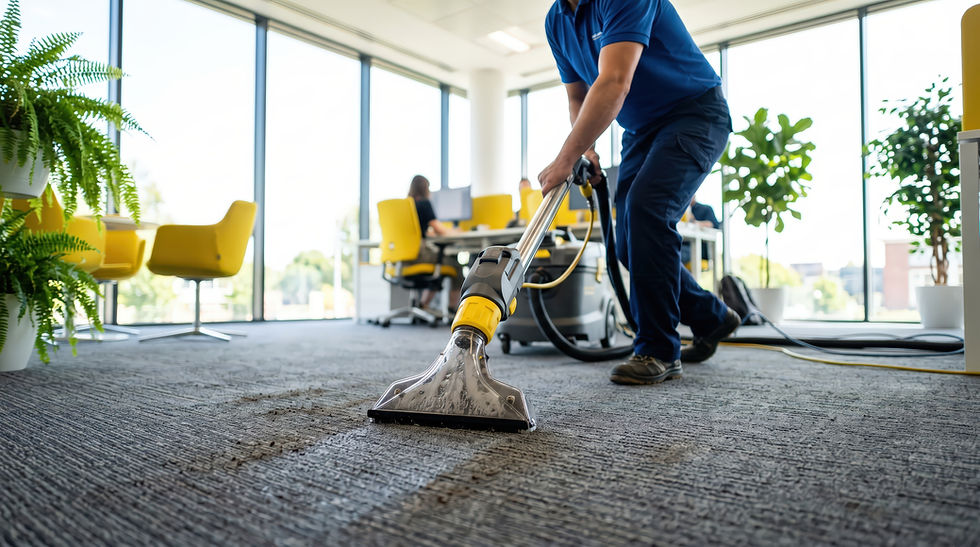
5. Neglecting Carpets and Upholstery
Vacuuming is essential, but it doesn't remove every embedded particle or stain. Office carpets and upholstered chairs can gradually accumulate dirt, especially in reception areas, meeting rooms and busy walkways.
If left too long, these materials can become harder to restore to an acceptable appearance.
How to avoid it: Vacuum regularly and deal with spills promptly using suitable methods. Arrange professional carpet and upholstery cleaning when required, taking account of the material, traffic levels and manufacturer's maintenance advice.
For more information, read our related guide, How Often Should Office Carpets Be Professionally Cleaned?
6. Forgetting Areas That Are Out of Sight
The most visible areas often receive the most attention. Meanwhile, skirting boards, door frames, corners, spaces behind furniture and high-level surfaces can accumulate dust.
These areas may not need cleaning every day, but ignoring them indefinitely can undermine the overall standard of the workplace.
How to avoid it: Divide tasks into daily, weekly and periodic schedules. Assign responsibility for less frequently cleaned areas and include them in quality inspections.
A well-planned cleaning schedule balances routine tasks with periodic detailed cleaning.
7. Ignoring Washroom Consumables
A washroom may have clean floors and basins but still leave a poor impression if the soap dispenser is empty or toilet tissue has run out.
Consumables are easy to overlook when staff focus solely on cleaning surfaces.
How to avoid it: Check soap, toilet tissue, paper towels and other agreed consumables as part of the cleaning routine. Establish a simple replenishment process so that low stock is reported before supplies run out.
For busy workplaces, more frequent checks may be necessary during the day.
8. Using the Wrong Products for Different Surfaces
Not every cleaning product is suitable for every surface. An unsuitable chemical or abrasive tool can damage flooring, worktops, furniture and glass.
For example, a product intended for one type of flooring may leave another surface dull or slippery.
How to avoid it: Identify the main materials throughout your premises and use products recommended for them. Follow product labels, safety data sheets and relevant COSHH assessments. Test products in an inconspicuous area when appropriate and never assume that a stronger chemical is necessarily better.
9. Rushing the Cleaning Process
When cleaning time is too limited, staff may concentrate on the most visible tasks and skip others.
The result can be a workplace that looks acceptable at first glance but has missed bins, dusty ledges, uncleaned touchpoints or poorly maintained washrooms.
How to avoid it: Make sure the cleaning specification reflects the size and use of the building. Allocate realistic time for each task and review the schedule when occupancy or cleaning requirements change.
A professional cleaning plan should be achievable, not simply a long list of tasks that cannot reasonably be completed within the available hours.
10. Failing to Check Cleaning Standards
Even a well-designed schedule can fail if nobody checks whether it is being followed.
Without inspections or feedback, recurring problems may continue unnoticed until staff or visitors raise concerns.
How to avoid it: Use periodic quality inspections, clear checklists and a straightforward process for reporting and resolving issues. Inspection findings should lead to practical action, not simply be recorded and forgotten.
Regular communication between the client and cleaning provider helps identify changing needs before they become persistent problems.
Why a Structured Cleaning Plan Makes a Difference
Avoiding these mistakes starts with a clear plan. Each area of a building has different requirements, and the cleaning schedule should reflect its purpose, occupancy and level of use.
A practical office cleaning plan should identify:
Which areas need daily attention.
Which tasks can be completed weekly or periodically.
Which products and equipment are suitable.
How cleaning staff should prevent cross-contamination.
Who checks consumables and reports low stock.
How quality inspections and complaints are managed.
The plan should also be reviewed when your business changes. More staff, additional meeting rooms or increased visitor numbers can all affect the amount of cleaning required.
When Is It Worth Hiring a Professional Cleaning Company?
If cleaning standards are inconsistent or employees are spending time managing cleaning problems, outsourcing may be worth considering.
A professional commercial cleaning company can assess your premises, recommend a suitable schedule and provide trained staff, equipment and cleaning products as agreed in the contract.
It can also establish clear procedures for supervision, quality inspections and cover when a regular operative is absent.
The key is to choose a provider that explains what is included, understands your requirements and communicates openly when something needs attention.
Final Thoughts
Most office cleaning mistakes are avoidable. Consistent routines, suitable products, trained staff and regular checks can make a significant difference to workplace cleanliness and the condition of your premises.
The aim isn't to clean every surface constantly. It's to make sure the right tasks are completed at the right frequency and that standards remain consistent over time.
At Moonlit Cleaning Services, we provide fully managed commercial cleaning for offices and other business premises across London. We tailor our cleaning schedules to each client's requirements, helping maintain professional, welcoming workplaces without adding unnecessary work for office managers.
If your current cleaning arrangements aren't delivering the results you expect, a review of your cleaning specification may be a useful starting point.
Frequently Asked Questions
What is the most common office cleaning mistake?
Overlooking routine tasks and high-touch surfaces is common, particularly when there is no clear cleaning schedule or system for checking completed work.
How can businesses improve office cleaning standards?
Create a realistic cleaning plan, use appropriate products, train staff, assign responsibility for each task and carry out regular quality checks.
How often should an office be professionally cleaned?
The right frequency depends on staff numbers, footfall, washroom facilities and the type of business. Many busy offices require daily cleaning, while smaller premises may need fewer visits.
Why is colour-coded cleaning important?
Colour-coded equipment helps prevent cleaning tools from being used in inappropriate areas, reducing the risk of transferring contamination between washrooms, kitchens and general workspaces.
Should businesses arrange periodic deep cleaning?
Yes. Periodic deep cleaning can address areas not covered by daily routines, including carpets, upholstery, high-level surfaces and hard floors.
Related Articles
The Ultimate Daily Office Cleaning Checklist for a Healthier Workplace
Daily vs Weekly Office Cleaning: Which Is Right for Your Business?
The Hidden Costs of Poor Office Cleaning
How to Choose a Commercial Cleaning Company in London
Need Help Maintaining Your Office?
Moonlit Cleaning Services provides tailored commercial cleaning services across London. Contact us to discuss your premises, arrange a site survey and receive a no-obligation quotation for a cleaning programme suited to your business.


Comments